get a free inspection visit CaLL OR DM : 9427006744
The Ultimate Guide to Tarpaulin: Types, Uses, and Benefits
Span Shield Mart Tarpaulin Tarp available at Span Shield Mart Buy Tarpaulin Span Shield Mart Span Shield Mart Top Rated Tarpaulin Store Best Price Tarpaulin
Span Shield
9/26/20254 min read

What is Tarpaulin? An Introduction
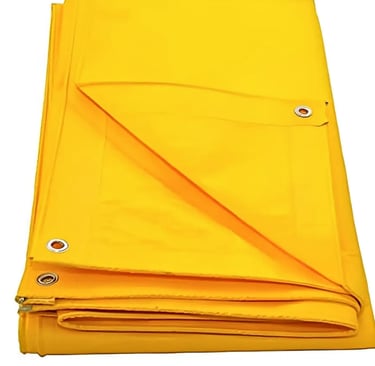
Tarpaulin, often referred to as "tarp," is a versatile and robust material widely used for a variety of applications. Typically made from either woven or non-woven materials, tarpaulin serves as a protective covering or shelter, shielding against the elements such as rain, wind, and sunlight. Its diverse forms include poly tarps, heavy-duty polyethylene (HDPE) tarpaulin, and plastic tarpaulin, each designed to cater to specific needs and preferences.
The fundamental characteristic of tarpaulin is its waterproof nature, which makes it highly effective for outdoor usage. This quality prevents water from seeping through, ensuring that whatever is covered remains dry and protected. Furthermore, many types of tarpaulin also possess UV-resistant properties, allowing them to resist degradation caused by sunlight exposure. This ability to withstand harsh environmental conditions enhances the durability and longevity of the material, making it a reliable choice for both commercial and residential purposes.
Additionally, tarpaulin is available in various thicknesses, colors, and sizes, providing users the flexibility to select the most suitable option for their requirements. For instance, heavier tarps, like HDPE tarpaulin, are typically used for industrial applications or construction sites, while lighter versions may be more appropriate for camping or personal use. The various forms of tarpaulin also include options with reinforced edges and grommets, facilitating easy setup and secure fastening.
Overall, the combination of waterproofing, UV resistance, and adaptability contributes to tarpaulin’s reputation as an essential material in many industries. Whether it is for agricultural applications, outdoor events, or temporary shelters, the significance of tarpaulin is undeniable, showcasing its importance as a fundamental protective solution.
Types of Tarpaulin
Tarpaulin, often referred to as tarps, come in multiple types, each catering to specific requirements across different sectors. Understanding the various types of tarpaulin is essential for selecting the right one suited for your particular needs.
One prominent type is industrial tarpaulin, widely utilized in construction, shipping, and manufacturing industries. Typically made from heavy-duty materials such as vinyl or polyethylene, industrial tarps offer superior durability, resistance to water, UV rays, and harsh weather conditions. These qualities make them ideal for covering machinery, materials, and equipment, ensuring they are protected from environmental elements.
Agricultural tarpaulin represents another significant category. These tarps are specifically designed for agricultural applications, such as covering crops, hay bales, and farming equipment. Constructed from breathable and waterproof materials, agricultural tarps provide essential protection against rain, pests, and harmful UV rays, thereby helping in preserving the quality and yield of crops.
Low-density polyethylene (LDPE) tarps are also quite common and are renowned for their versatility and affordability. LDPE tarps are lightweight and are often used for temporary applications, including camping, picnic covering, and lightweight protective covers for outdoor furniture. Despite their lighter structure, they still offer some degree of water resistance and UV protection, making them an option for budget-conscious consumers.
Additionally, there are specialty tarps designed for unique applications, such as fire-retardant tarps for industrial applications requiring heightened safety protocols and canvas tarps known for their robustness and long lifespan. Each type of tarpaulin serves a distinct purpose, and understanding these differences is critical for effective use across various domains.
Benefits of Using Tarpaulin
Tarpaulin, commonly referred to as tarps, offers a multitude of advantages that make it a staple in various settings, ranging from residential to commercial use. One of the primary benefits of tarpaulin is its exceptional durability. Made from materials such as polyethylene or canvas, tarps are designed to withstand the rigors of outdoor conditions, making them an ideal choice for covering equipment, vehicles, and outdoor furniture. Their robust construction ensures that they can endure wear and tear over time, which is particularly beneficial for those who require long-term solutions.
Another significant benefit of tarpaulin is its remarkable tear resistance. Unlike regular fabrics, tarps are engineered to resist tearing and ripping, even when exposed to sharp objects or extreme winds. This feature is particularly advantageous in industrial applications, where strong protective barriers are necessary. For instance, construction sites often utilize tarps to safely cover tools and materials, minimizing the risk of damage or loss during projects.
Furthermore, tarps exhibit impressive weather-resistant properties, such as UV protection and all-weather durability. This feature allows them to provide an effective barrier against harsh sunlight, rain, snow, and other environmental elements. The UV-resistant nature of tarpaulin ensures that its color and integrity remain intact over prolonged periods of exposure to sunlight, thus enhancing its usability throughout changing seasons. Cost-effectiveness is another important aspect, as investing in high-quality tarps can be more economical than frequently purchasing cheaper alternatives that may not perform as well. This reliability, combined with the myriad of functional benefits, makes tarpaulin an invaluable asset for personal and commercial applications alike.
Where to Buy Tarpaulin and Choosing the Right One
When it comes to acquiring a high-quality tarpaulin, consumers have a variety of options available. Local hardware stores, specialty outdoor shops, and online retailers are all viable avenues. One particularly reputable source for purchasing tarpaulin is Span Shield Mart, an establishment known for its extensive range of tarps suitable for various applications. Their catalog includes tarps made from both woven and laminated materials, catering to diverse preferences and needs.
Choosing the right tarpaulin involves several critical considerations. First and foremost is the size of the tarp. Assess the area where the tarp will be used to ensure that you select a size that adequately covers the intended space. Next, consider the material type. Woven tarpaulin, while generally strong and durable, is often more breathable, making it suitable for applications where ventilation is required. On the other hand, laminated tarpaulin offers superior waterproof properties, ideal for situations where moisture retention is a concern.
Quality is another essential factor to keep in mind. It is advisable to inspect the craftsmanship of the tarps, looking for features like reinforced edges and stitching, which enhance durability. Additionally, specific features such as UV resistance and waterproof qualities can significantly impact the tarp's performance under varying environmental conditions. Selecting a tarp that provides these superior features will ensure longevity and effectiveness, especially in outdoor applications where exposure to elements is inevitable.
Ultimately, making an informed decision when purchasing tarpaulin involves evaluating your specific needs alongside the range offered by retailers like Span Shield Mart. By considering size, material type, quality, and special features, you can find the perfect tarp that suits your requirements.
Quick Inquiry
+91-9427006744 & 8780257101
© 2025. All rights reserved to span shield
SPAN SHIELD MART
Shop No. 5, Prime Status, S G Highway, Gota, Ahmedabad
Span Shield Pest Control Service
409, Ganesh Glory, off S G Highway, Gota, Ahmedabad - 382470


Say Goodbye to Pests - For Good!
Effective Solutions for
🐜Termites
🐝Flies
🐦Birds
🐀Rodents
🦟Cockroaches
🦟Mosquitoes
✅Fast
✅Safe
✅Guaranteed
✅Affordable
Call Now
Ahmedabad - Gandhinagar - Gota - Gahtlodia - Setelite - Bopal - Naranpura - Sanand - Bhadaj - Khatraj - Chhatral -Zundal